
Choosing the Right Material for Your Application
A cable’s outer jacket isn’t just a protective shell — it determines how well a cable will withstand its environment. From industrial automation to aerospace applications, cables encounter extreme conditions that can compromise their integrity. Temperature swings, chemical exposure, mechanical stress and constant movement all take a toll. Without the right jacket material, cables degrade faster, leading to unexpected failures, costly downtime and potential safety risks.
A cable jacket failure can lead to downtime and increased costs, but selecting the right material mitigates these risks. Understanding the strengths and weaknesses of polyvinyl chloride (PVC), polyurethane (PUR) and thermoplastic polyurethane (TPU) helps strike the right balance between cost-effectiveness, durability and environmental suitability for any given application.
The Role and Function of Cable Jackets
Cables are more than just conductors. Their outer jackets serve as the first line of defense, protecting against physical damage, chemical exposure, temperature extremes and environmental hazards. Choosing the right jacket material ensures a cable lasts as long as expected and performs reliably in its intended environment.
When the wrong jacket material is selected, cables break down faster than expected. A telecom fiber optic cable with an unsuitable PVC jacket may degrade prematurely under constant sun exposure, leading to signal loss and expensive repairs. A power cable on a factory floor exposed to harsh industrial chemicals may swell or crack, causing unexpected equipment shutdowns. In extreme conditions, a tactical or military cable exposed to subzero temperatures may lose flexibility and break, compromising mission-critical operations.
Every application comes with unique demands. Some cables must withstand constant motion, while others remain stationary but require superior chemical resistance. Selecting the right jacket is about matching material properties to real-world conditions to prevent failures before they happen.
Material Comparison: PVC vs. PUR vs. TPU
Selecting the right cable jacket material requires understanding how each option performs under different conditions. PVC, PUR and TPU are three of the most used materials, each offering a distinct balance of cost, durability, flexibility and resistance to environmental hazards.
Polyvinyl Chloride (PVC) – The Cost-Effective Standard
PVC is widely used due to its affordability and versatility. It provides moderate chemical resistance, making it a practical choice for environments exposed to mild acids, cleaning agents and general-purpose chemicals. One of its advantages is its flame resistance, with many formulations meeting UL-rated fire safety standards. It can also be modified with additives to improve UV stability and flexibility, broadening its range of applications.
Despite its benefits, PVC has limitations. It performs poorly in cold environments, becoming brittle at subzero temperatures. Its abrasion resistance is lower than other materials, making it vulnerable in applications with frequent movement or mechanical impact. PVC’s environmental impact — difficulty recycling and toxin release when burned — limits its use in eco-conscious industries.
PVC is commonly used for indoor fixed installations, telecom and data cables and other applications where cost efficiency and basic protection are priorities.
Polyurethane (PUR) – The Tough, Flexible Workhorse
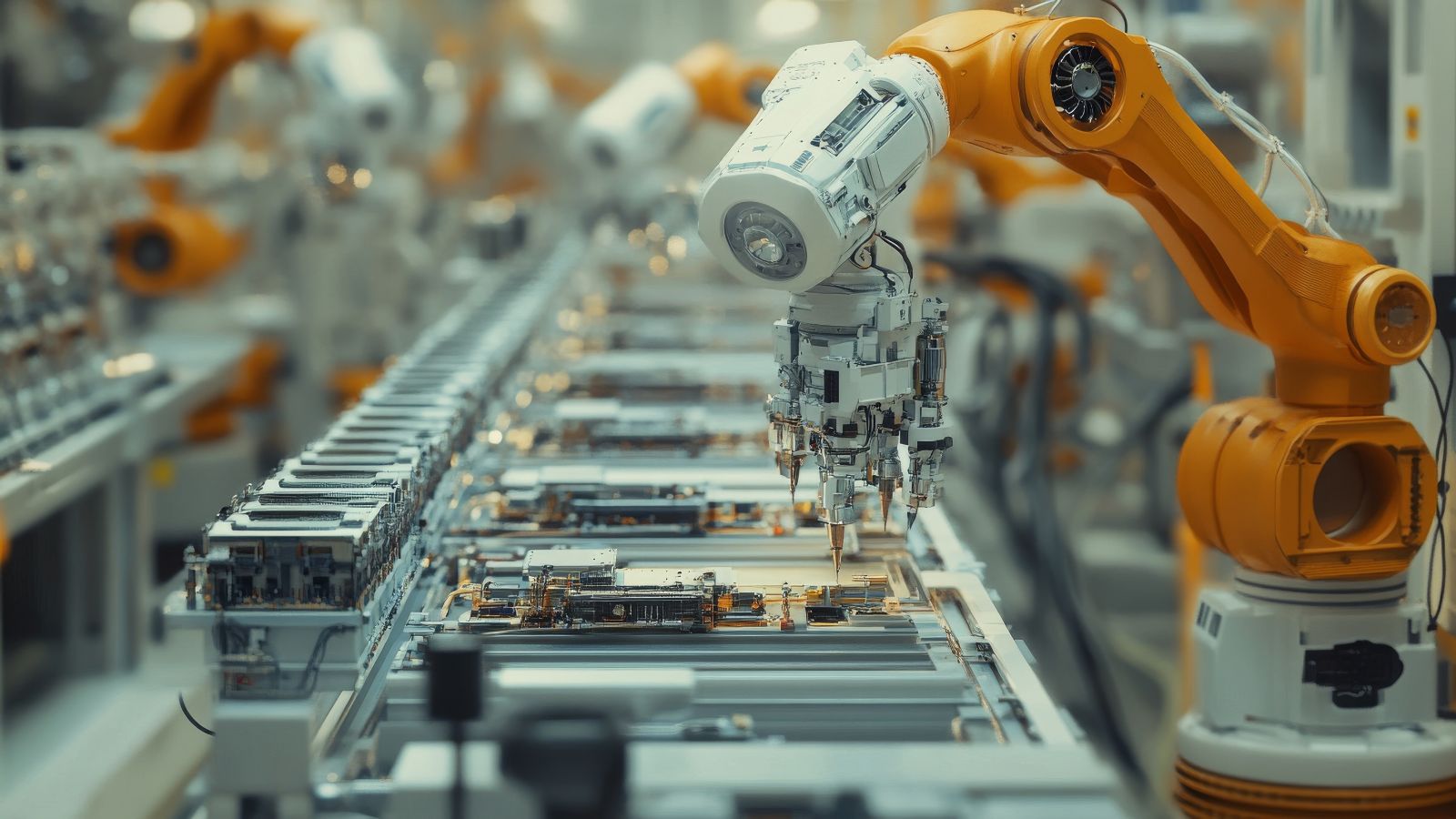
PUR provides high flexibility, mechanical strength and resistance to oils and chemicals. Unlike PVC, which can stiffen in cold conditions, PUR remains pliable, making it ideal for continuous movement applications, such as robotic arms, drag chains and retractable cables. It also demonstrates strong abrasion resistance, making it more durable in high-wear environments where cables experience frequent friction or impact.
In addition to its mechanical benefits, PUR resists industrial oils, fuels and harsh solvents, making it a preferred option for factory floors, automation systems and automotive applications. Outdoors, it resists UV damage and harsh weather, helping cables last longer in exposed environments.
While PUR is more expensive than PVC, its durability often offsets the higher cost. PUR lacks intrinsic flame resistance and requires additives like phosphorus-based compounds to meet fire safety standards such as UL 94 V-0 for vertical flame resistance in industrial settings. Ester-based PUR degrades over time in humid or steam-heavy environments due to hydrolysis. Ether-based PUR provides better resistance to moisture, making it the preferred choice for wet conditions. PUR is frequently used in robotics, outdoor cables and industrial environments where flexibility and durability are important.
Thermoplastic Polyurethane (TPU) – The High-Performance Solution
TPU is the most durable and resilient of the three materials. With a temperature range of -50°C to +125°C, it retains stability in both high-temperature and subzero environments. TPU also resists water, steam and microbial degradation more effectively than PUR, making it a better option for environments with prolonged moisture exposure.
This material is often used in demanding conditions where cables face continuous impact, tension and exposure to aggressive chemicals. Mining, aerospace and heavy industrial applications benefit from TPU’s ability to endure mechanical stress without performance degradation. Its high tensile strength and impact resistance help prevent premature wear and failure.
TPU’s drawbacks include its higher cost and the complexity of processing and termination compared to PVC and PUR. While TPU provides excellent tear resistance and remains stable in extreme thermal conditions, PUR is the more flexible option for applications requiring continuous bending, such as robotic arms.
TPU is commonly used in high-stress applications, particularly in mining, aerospace and other industries where high durability and chemical resistance are essential.

On the Horizon: The Next Generation of Cable Jackets
As industries push for greater durability, efficiency and environmental responsibility, cable jacket materials continue to evolve. Several emerging trends are shaping the next generation of protective materials.
Sustainability Initiatives
Efforts to reduce environmental impact have led to the development of bio-based TPU and recyclable PVC formulations. These materials aim to provide the same performance benefits while lowering reliance on fossil fuel-derived plastics.
Hybrid Jackets
Manufacturers are working to combine the best properties of existing materials, such as PUR’s flexibility and TPU’s durability. These hybrid formulations could address industry-specific needs, offering a balance of strength and adaptability.
Advanced Nanocoatings
New surface treatments using nanotechnology aim to increase abrasion resistance, strengthen chemical protection and extend UV stability. These coatings could extend cable lifespan, reducing maintenance and replacement costs in harsh environments.
Material advancements will continue to refine performance and sustainability, offering new solutions for industries that demand long-lasting, high-performance cables.
Materials Matter: MCC’s Approach to Reliable Cable Jackets
Selecting the right cable jacket is about more than cost — it affects performance, longevity and reliability in demanding environments. A well-matched jacket protects against mechanical wear, chemical exposure and temperature extremes, reducing the risk of early failure and unexpected downtime.
MCC helps customers choose materials that align with real-world application demands. Our engineers collaborate with clients to develop custom cable solutions that balance durability, flexibility and compliance with industry standards. Whether the priority is abrasion resistance, chemical stability or extreme temperature tolerance, MCC selects materials that match the conditions cables will face.
Contact MCC to find the best jacket material for your specific application needs.