Fiber Optic Versus Copper Cable: A Broadcast Cable Buying Guide
The world of professional broadcasting has witnessed a dramatic change in how images and sound are captured, stored, and delivered. This has also transformed the cables that provide the all-important link between camera and control desk.
The Analog-to-Digital Transition
Broadcast and recording technologies have traditionally used analog techniques to record both audio tracks and video footage. Cameras use coaxial cables to transmit video signals, while microphones collect audio energy and convert it into electrical signals for transmission. These analog signals are recorded using magnetic tape for later editing.
The development of high-definition technology and digital recording has caused the industry to move away from physical recording media. The result is equipment that is smaller and lighter, yet more capable than the technology it replaces. Modern video sensors can capture images in amazing clarity, with screen resolutions of over 8 megapixels per image (4K HDTV). Digital microphones provide superior, interference-free sound for greater audio clarity.
Both video and audio technologies use digital encoding to transmit and record information. Once decoded by the receiver, the information maintains the full dynamic and frequency range of the original signal. Unlike analog transmission, digital signals are far more resilient and less likely to be affected by electromagnetic interference (EMI). They are also less prone to signal loss over longer distances, making digital transmission highly suited for outside broadcast situations.
Transmitting the volume of information created using digital recording devices means that producers can no longer rely on existing infrastructure. This advanced equipment requires cables and connectors that can transmit high data rates with low latency.
What is The Material Difference of Copper and Fiber Cables?
The move from analog to digital technology has had a profound effect on the design of cables and connectors in the broadcast and recording industries. Analog signals are made up of oscillating or alternating electric currents or voltages. These are carried by coaxial cables, comprising a core conductor surrounded by a cylindrical shield, separated by a non-conductive dielectric material. Analog television signals are even more complicated, using triaxial or even quadraxial cables, with multiple shields wrapped around the core.
As with all electrical conductors, these cables possess resistance. Analog signals are often of very low amplitude, and so any electrical resistance within a cable will reduce the energy that is received. This will limit the distance over which an analog signal can be transmitted.
Sending signals digitally is far more resilient. Digital signals are transmitted using two different voltage levels. If the difference between the two levels is maintained, the resistance within the cable will have a far lower impact on the transmission. The same is true of EMI. EMI is the radiation that surrounds us, generated by everything from noisy electric motors to wireless communication, and can disrupt analog cables. By comparison, the transmission range for digital signals is superior.
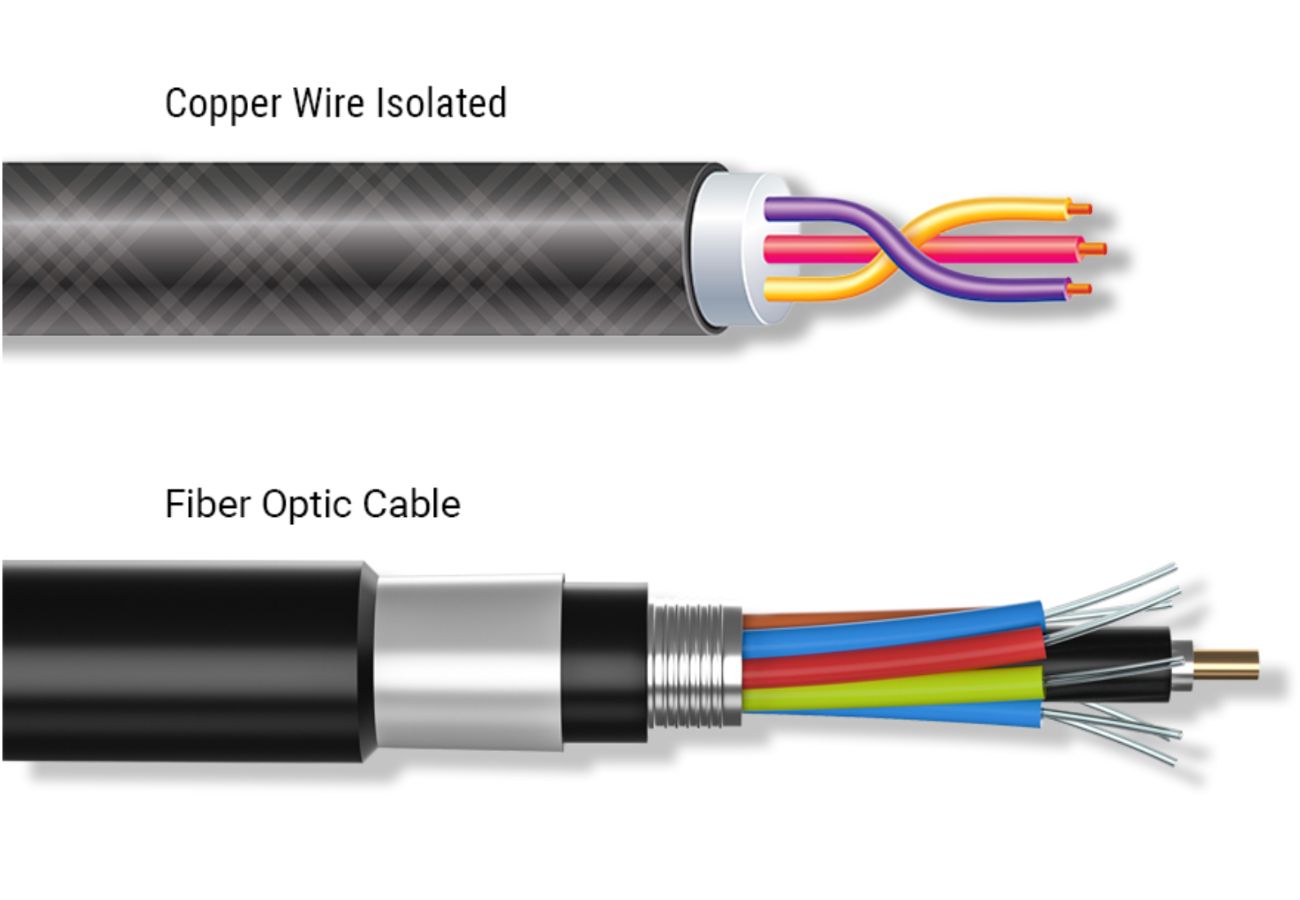
Digital cables, therefore, have much in common with modern computer network systems, which use twisted pairs to safely carry high volumes of information over long distances. Used within a studio where conditions can be controlled, these cables provide the best possible performance.
High-definition television (HDTV) has taken the demand for high data rates even further. To transmit the volume of information generated by the latest HDTV applications, the manufacturers have adopted optical fiber to provide the link between camera and control desk. In contrast with conventional copper cables, optical fibers carry information using pulses of light. This allows optical systems to transmit huge amounts of data over small, lightweight fibers. Immune to interference caused by electromagnetic radiation, they can transmit over distances that are inefficient for normal electrical signals.
Out of the Studio
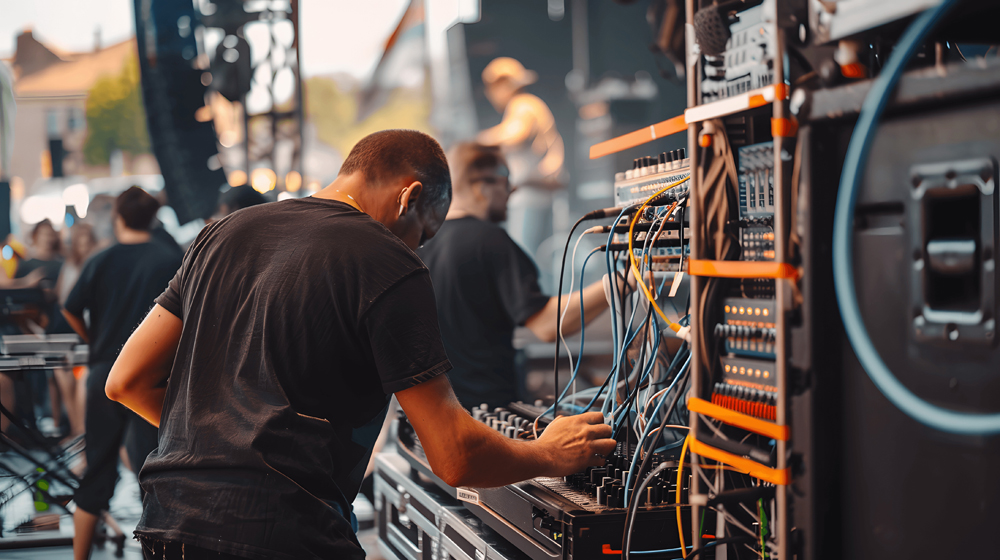
The challenge for broadcasters and producers has always come when operations leave the protection of the studio. The broadcast industry deploys to remote locations for live sporting events, concerts and entertainment venues, and even documentary filming. The challenges of operating sophisticated equipment in a range of tough environments affects the design of cables.
Cables and connectors used for outside broadcasts must be designed to withstand constant use and repeated mating cycles. The need to rapidly set up and break down outside broadcast trucks means that cables will frequently be dragged across the ground, through standing water or even mud, and be subjected to accidental impacts and crushing forces.
The radio-frequency (RF) cables used by analog camera systems are bulky and heavy, and can typically stand up to frequent use. However, modern high-speed data cables are smaller and lighter, and their design might not hold up under all conditions. The outer jackets of tactical cables should employ materials such as polyurethane which possesses greater resistance to abrasion and exposure to moisture. Cable assemblies are frequently reinforced with mesh to protect the termination and feature pull loops for easier installation.
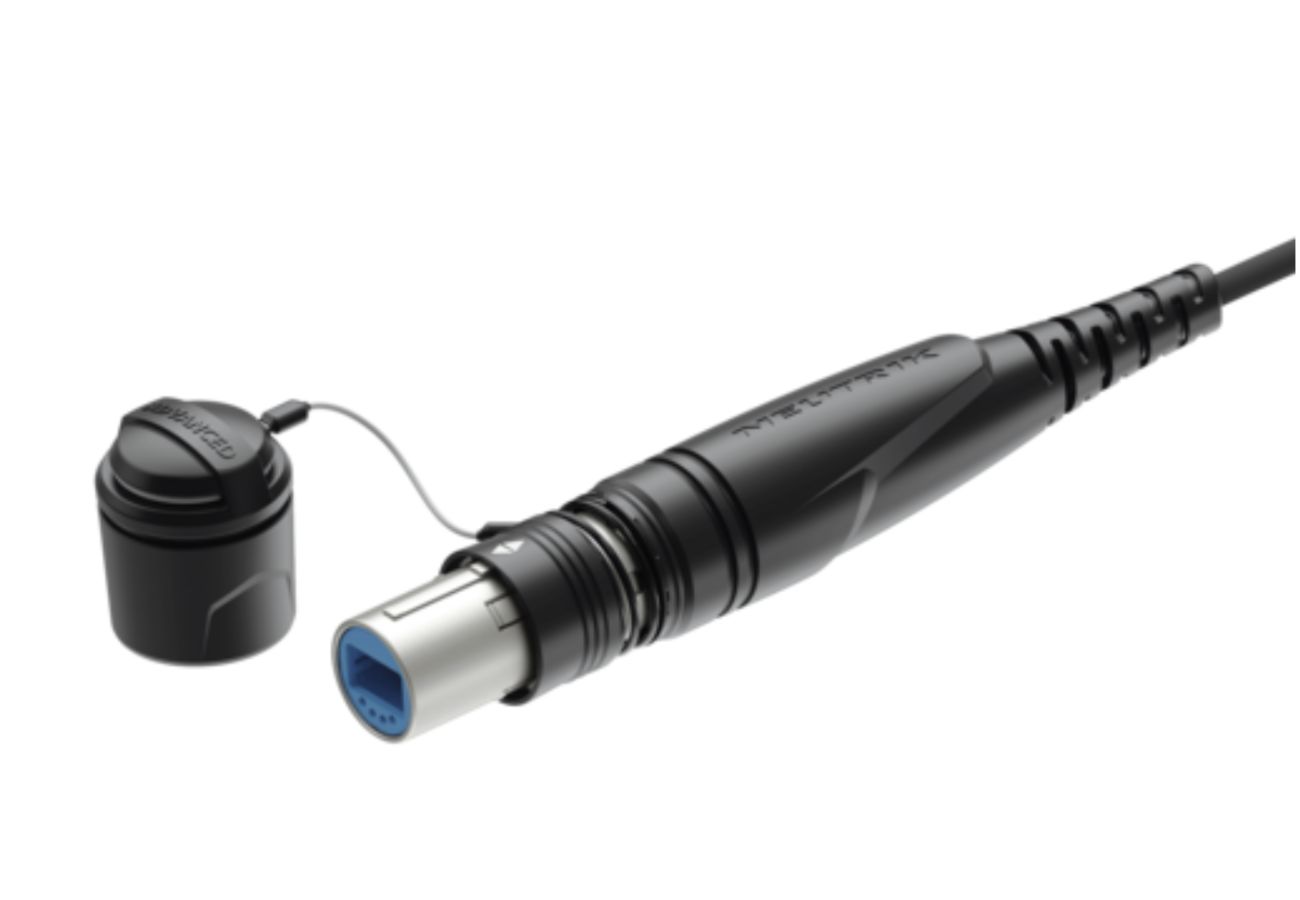
Robust design is even more critical for the optical fibers used in high-definition cameras. The SMPTE hybrid cable used for HDTV delivers many advantages over triax or quadrax cables. It offers a smaller diameter and a lighter weight, while providing the ability to multiplex audio and video signals as well as power in a single cable. To protect the delicate optical fibers within, the cable construction includes Kevlar or even stainless-steel strength members. These are terminated within the connectors to relieve the tension that might otherwise damage the fibers.
Choosing a Cable and Choosing a Partner
Digital technology has delivered a huge leap in the capabilities of broadcast and recording equipment and has also transformed the design of cabling and connectors. Modern design allows digital cables to carry more information over greater distances, while being smaller and lighter than their analog counterparts.
Choosing the right cable and connector combination is vital to ensure the reliability of any broadcast installation. Working with a partner like Major Custom Cables, with decades of experience in a demanding industry, ensures that you have access to the right components to capture the next big event.